Healing People-Pleasing & Perfectionism with a Somatic Trauma Therapist in Sacramento
As a trauma therapist in Sacramento, I’ve worked with many people who come to therapy for the first time after realizing that a pattern of excessive self-reliance combined with a strong need for approval is starting to damage their relationships, their health, and careers. Often, people don’t identify as perfectionists because they feel far from “perfect,” yet that relentless striving and fear of not measuring up is exactly what perfectionism looks like. When our actions are driven by trying to control how others see us or by constantly chasing unrealistic standards, it can help to explore where these coping strategies came from and begin to shift them.
The hidden cost to always putting others first
People-pleasing and perfectionist traits often develop as survival responses to unresolved trauma, chronic stress, or attachment wounds. When you minimize or dismiss your needs and limits and focus on the needs of others, it can create expectations from others that you will always put them first, which eventually results in abandoning yourself. Another cost of people-pleasing is chronically overcommitting and overcompensating, which perpetuates feeling overwhelmed and not living up to expectations. Fear of disappointing or hurting others may drive your decision-making because you are focused on how others will respond to your choices.
When perfectionism becomes exhausting
Feeling “never good enough” despite countless external markers of success is a hallmark trait of perfectionism. In fact, most people with perfectionist traits don’t believe they are “good enough” to be a perfectionist because they are always striving for some imagined ideal of “having it all together” that doesn’t really exist. This constant striving leads to overworking and burnout. The drive to achieve evokes a fear of failure and persistent self-critical thought patterns that become equated with self-worth, skewing your self-identity. Perfectionism leads to fatigue and overwhelm from the constant striving, and results in viewing exhaustion as another example of “failure” as they compare themselves to colleagues and friends.
Why working with a somatic trauma therapist in Sacramento can make a difference
Perfectionists tend to love learning, researching, and strategizing and, as a recovering perfectionist, I can help you with that. Learning to understand how constant striving and people-pleasing impact you not only cognitively and behaviorally, but also emotionally and physiologically, can provide a greater understanding of your particular flavor of chronic stress, trauma, or attachment wounding. As a trauma-informed Sacramento therapist, I will teach you to notice your nervous system’s role in people-pleasing and perfectionism, and transform it to better support you without all the exhaustion.
How trauma and chronic stress live in your body

Seeking safety and security through performance, approval, or control over your environment can hijack your nervous system to ride the ups and downs like a perpetual roller coaster. Your nervous system may be stuck in survival mode if you experience difficulty relaxing, feeling disconnected from your body, hypervigilance, chronic tension or pain, or emotional overwhelm and dysregulation.
We humans are hardwired to respond to chronic stress or trauma with protective reactions, these are commonly referred to as fight, flight, freeze, or fawn. They are patterns in our nervous system that often result in patterns of behaviors that we may not understand or like about ourselves. A fight response may be frustration that our efforts to please someone didn’t pay off, and now we’re resentful they don’t appreciate us and passive-aggressive actions follow. Flight responses can look like procrastination or avoidant behavior patterns or ghosting someone. Freeze responses tend to be described as feeling a constant buzz or a lot of disorganized energy, while simultaneously feeling incapable of directing that energy into being “productive,” and feel stuck or stagnant. Fawn responses are thought to be a form of freeze in that people find the path of least resistance, which is to placate and/or please others as a way out of an uncomfortable situation. All of these responses are instinctual survival strategies with the goal of keeping us alive, they are not based on rational thought or plans.
Body-centered approach to trauma therapy in Sacramento
Somatic therapy in Sacramento will provide you with the ability to increase self-awareness, foster safety in your body, learn how to regulate your nervous system, understand yourself with a self-compassionate perspective, and create healthier boundaries through authentic expression. A trauma-informed approach means your individual needs and pace are honored and healing is applied in a gentle, safe, and collaborative manner.
You will learn to recognize your body’s signals of tension, shutdown, or overwhelm. You will learn to reconnect with your personal needs, wants, and limits so you are not abandoned. Addressing people-pleasing tendencies with boundary development is a nervous system approach that works on shifting shame and guilt into confidence and empowerment, and helps to build tolerance for difficult emotions. As you learn to slow down your mind and your nervous system, you will learn to respond instead of reacting. Over time, you will gain confidence and learn to trust yourself and your perceptions.
Understand the fear beneath the perfectionist behaviors that drive avoidance of rejection, criticism, or failure and learn to tame it with compassionate and effective skills. Learn how to support nervous system regulation through rest and enjoyment, develop a kinder internal dialogue, and build resilience without constant striving. We work to uncouple your self-worth from the perceived safety that perfectionism and people-pleasing provides and replace it with an authentic expression of your priorities, values, and what you find meaningful.
Signs you may benefit from somatic therapy in Sacramento
You feel responsible for everyone else’s emotions
You struggle to rest without guilt
You persistently overthink or overwork
You feel disconnected from yourself
You fear conflict or disappointing others
You experience chronic stress, anxiety, or burnout
You equate your achievement with your worth
People-pleasing and perfectionism are not personality flaws, they are adaptive survival strategies that may no longer be working for you. Healing is possible with support, self-awareness, and nervous system regulation with a trusted, trauma-informed therapist in Sacramento.
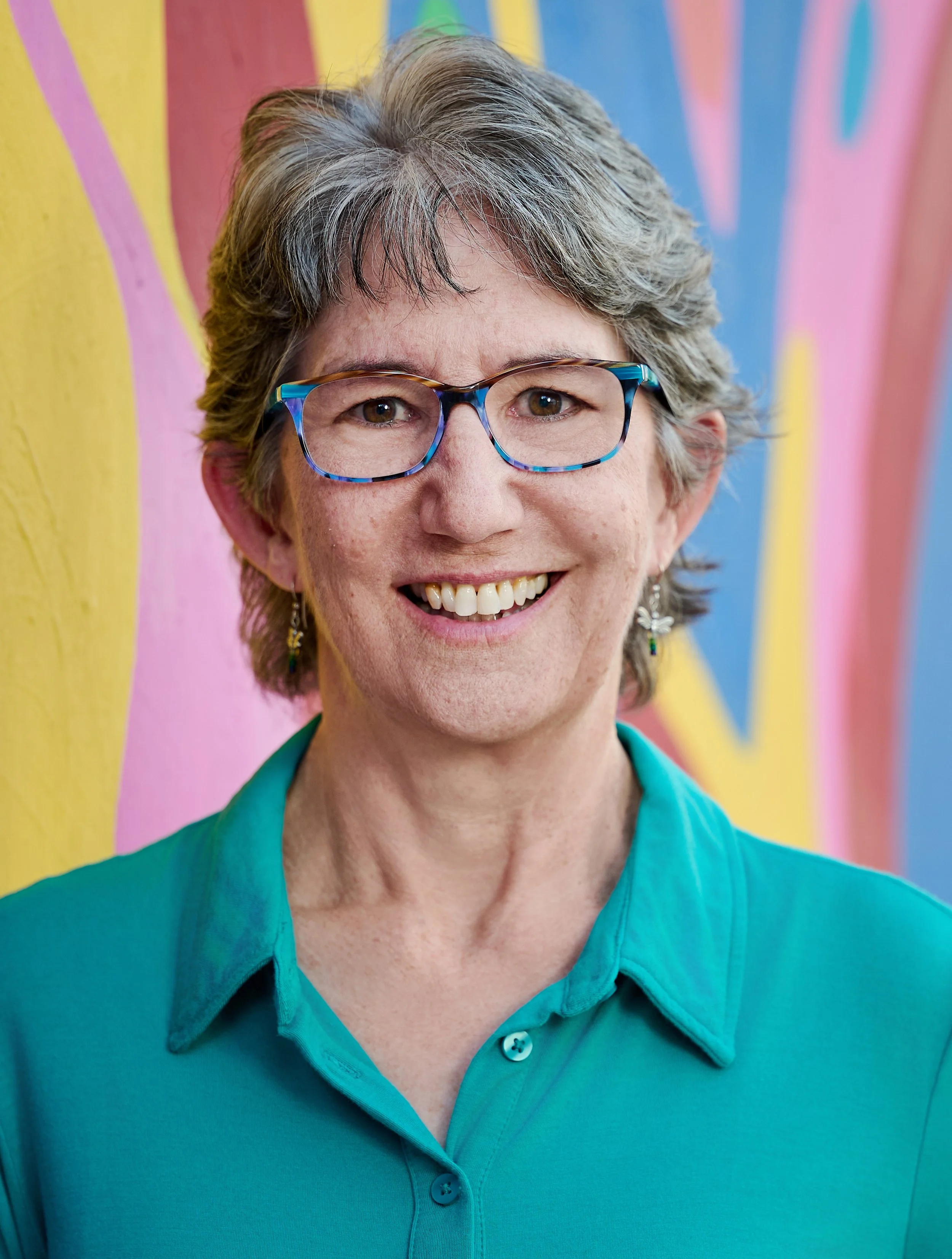
I’m Colleen King, Licensed Marriage and Family Therapist and Somatic Experiencing Practitioner providing trauma therapy in Sacramento in-person or online throughout California. I offer free 15-20 minute phone or video chats so we can get to know each other a bit and I can answer any questions you may have about my therapy services.