Therapy for bipolar disorder in Sacramento
Living With Bipolar Disorder Is Hard. You Deserve Real Support.
You Know What It Feels Like to Not Trust Yourself

You know what it feels like to not be able to trust yourself. Not in a small way, but in the kind of way that makes planning for the future feel almost pointless. You have accomplished real things, big things, and you’ve also watched yourself crash and burn on goals you genuinely cared about. So many starts and stops that you don’t know what to believe about yourself anymore. The wins are real. So are the losses. Holding both of those truths at the same time leaves you more confused, not less.
You can’t always tell if what you’re feeling is just a normal human emotion or the beginning of something bigger. That uncertainty lives with you constantly. And because of it, you’ve learned to perform and keep the feelings tucked away because the moment someone sees you sad, or notices you are a little too energized, the questions or nagging starts. And then you start doubting yourself too, which makes everything harder. The people who love you worry, and their concern is real, but it lands on you like a weight. You don’t want to end up back in the hospital either. You are aware of the risks and are actually paying closer attention than anyone realizes.

You try to keep your sleep and eating on a schedule. You set alarms to take your medications. You effort to show up to work on time. Sometimes it just happens without giving it a second thought and you even feel good about yourself. Other days, showering and getting to work is genuinely a lot to ask. Some days you’re just counting down to bedtime, holding on until you can stop. You get lost in your head, overthinking, stressing yourself out, trying to make sense of an illness that is genuinely confusing.
What you want is not complicated, even if it feels impossible right now. You want to have feelings without every emotion becoming a red flag. You want to be a person who has moods, like every other person, without being under constant surveillance, including your own.
You have reached out before. You’ve tried to explain what you are going through, and instead of feeling understood, you may have walked away feeling judged. Bipolar disorder is not a measure of your capacity to understand yourself. You aren’t looking for someone to manage you or speak over you. You are looking for someone who will actually sit with you, help you make sense of what is happening, and walk alongside you as you find your way back to some control. You want your life back. That is not too much to ask.
You are still here, still trying, still doing the hard things every single day. And somehow, none of it has felt like enough to give you the peace you are looking for. Not yet.

Underneath it all, you keep going.
You are still taking the medications. Still setting the alarms. Still showing up. That’s not nothing. That is actually everything.
You would not be this tired of the uncertainty if you didn’t care deeply about your own life. You would not feel the weight of disappointing people if connection didn’t matter to you. You wouldn’t be searching for someone to help you understand this illness if some part of you did not still believe that understanding is possible. The fact that you are here, reading this, means something. You have not stopped reaching.
You Do Not Have to Figure This Out Alone: Therapy for Bipolar Disorder in Sacramento
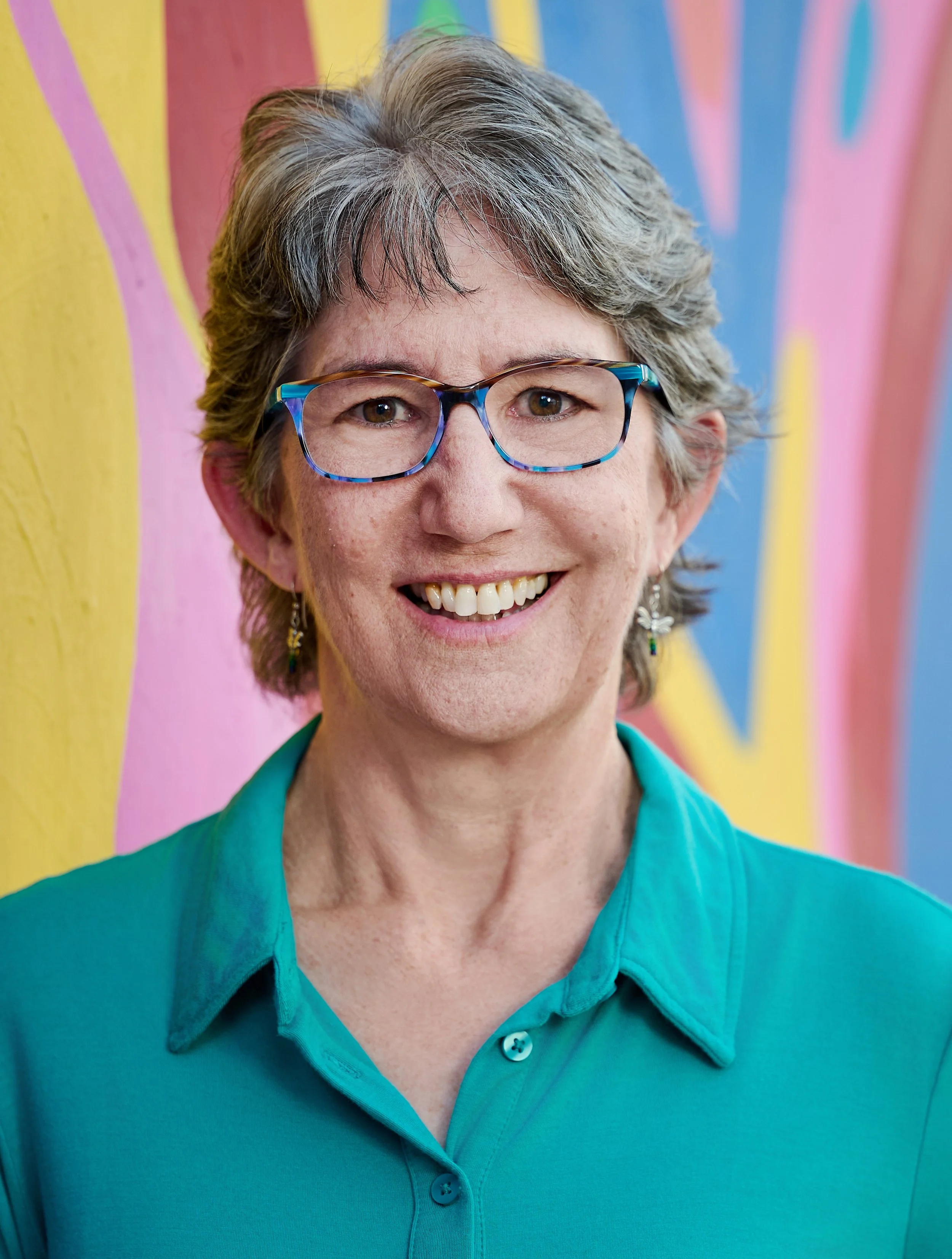
I'm Colleen King, a Licensed Marriage and Family Therapist and Somatic Experiencing Practitioner offering individual therapy for bipolar disorder in Sacramento. I work with overwhelmed adults who are tired of feeling like their own bodies and minds are working against them. My approach is trauma-informed and draws from multiple therapeutic methods with real, proven track records for helping people with bipolar disorder stabilize, reconnect, and feel more like themselves again.
I believe people living with bipolar disorder are not broken, fragile, or incapable of self-understanding. I have sat with clients who are intelligent, self-aware, and deeply motivated, and who are also genuinely exhausted from trying to manage something that no one fully prepared them to navigate. That exhaustion makes sense. It is not a character flaw. It is the natural result of carrying something heavy for a long time without the right kind of support.
My work is not about managing you or reducing you to a diagnosis. It is about helping you build a real, embodied relationship with yourself. One where you can feel your feelings without immediately having to interrogate them. One where tiredness is sometimes just tiredness, and excitement is sometimes just excitement. One where you get to be a full human being, not just a person in constant risk assessment mode.

Many clients who come to me for bipolar therapy in Sacramento have spent years trying navigating medical systems and follow recommendations, and still feel like something essential is missing. The missing pieces may be the trauma-informed and body-based approaches to the patterns that surround you. The daily rhythms that have quietly gotten off track. The relationships that have frayed under the weight of the illness. The environmental stressors, including systemic injustices, that affect your nervous system, your sense of self-worth, and your vitality in ways that mood charts and medication adjustments were never designed to address.
Interpersonal and Social Rhythm Therapy, or IPSRT, helps identify and transform exactly those patterns, the fluctuations in mood, the gaps in self-care, the relational disconnection, and the broader pressures that shape how stable or unstable you feel from the outside in.
And then there is what is happening on the inside. When the nervous system is stuck in patterns of hypervigilance, even the best medication and the best intentions can only take you so far. Somatic Experiencing helps your body learn what safety actually feels like, not just in theory, but in your actual lived experience, in real time. Clients often report that as the work deepens, they begin to feel more spacious inside. Less reactive. Better able to tell the difference between a mood that needs attention and a feeling that just needs to be felt. That distinction, which can feel impossible right now, becomes something you can actually access.
What Our Work Together Can Look Like

Therapy with me is collaborative and paced to what your nervous system can actually hold. I offer individual counseling for adults using approaches that have been shown to be effective for mood stabilization and improving relationships. Depending on what you need and where you are, our work might draw from Somatic Experiencing, which helps your nervous system learn what safety actually feels like in your body.
We might also work with IPSRT, which focuses on stabilizing daily routines and the relationship patterns that can quietly destabilize mood. Mindfulness-Based Cognitive Therapy, or MBCT, helps you notice thought patterns without being pulled under by them. And Cognitive Behavioral Therapy, or CBT, gives you practical tools for shifting the thinking and behavioral cycles that keep you stuck. These approaches are not used as a rigid checklist. We collaborate to weave a plan together based on what actually makes sense for your life.
In our work together, clients often experience:
Greater stability in daily rhythms, sleep, appetite, and routine, which creates a steadier foundation for mood regulation
More trust in their own perceptions and emotional responses
Growing ability to notice body sensations without immediately interpreting them as warning signs
Reduced hypervigilance and the exhaustion that comes with it
A clearer understanding of how relationship patterns, life stressors, and systemic pressures have been affecting their mood and nervous system
Renewed sense of self-worth and vitality that had gotten buried under the weight of managing the illness - A clearer sense of what support actually feels like versus what management feels like
More ease in relationships, including with the people who love them and worry about them
This is not about eliminating the reality of bipolar disorder. It is about building enough internal stability and self-knowledge that you are no longer at war with your own experience. The goal is a life where you feel like yourself, not a diagnosis.
You Don’t Have to Keep Doing This Alone

Change is possible. It doesn’t happen all at once, and it’s not a straight line. But the support and guidance is real. If you’re looking for a bipolar therapist in Sacramento who will treat you as the intelligent, capable person you are and help you build a genuine relationship with your own experience, I would be glad to connect.
Reach out to schedule your free 15-minute phone or video consultation so we get a chance to meet and I’ll answer any questions you have to ensure I’m a good fit. If I’m not the right person for you, I’ll offer you referrals to someone who may better suit your needs. That first conversation is just a conversation. No pressure, no performance required.
Frequently Asked Questions about Therapy for Bipolar Disorder in Sacramento and throughout California
-
If you’re living with bipolar disorder and finding it hard to trust yourself, regulate your emotions and experience stability in your daily life or ease in your relationships, therapy can be a meaningful part of your support system. Therapy often works best alongside working with a psychiatrist, nurse practitioner or other medical provider. Reaching out for a free consultation is a low-stakes way to find out if it feels like a good fit.
-
Interpersonal and Social Rhythm Therapy, or IPSRT, is an evidenced-based structured approach that helps people with bipolar disorder stabilize their daily routines and identify relationship patterns and life stressors that affect mood. Research shows that disruptions to sleep, eating, activity, and social rhythms can trigger mood episodes. IPSRT helps you understand and work with those patterns, including how systemic stressors and environmental pressures may be affecting your stability in ways that are easy to overlook.
-
Somatic Experiencing is a gentle body-based approach to healing that works with the nervous system rather than against it. For people living with bipolar disorder, hypervigilance, a constant state of internal monitoring and bracing, can keep the nervous system stuck in patterns that make mood regulation harder. Somatic Experiencing helps your body gradually learn what safety and stillness feel like, which can create more internal space and less reactivity over time. It is gentle, paced, and built around what you can actually tolerate.
-
Absolutely, and in many cases it is ideal. Therapy and medication management address different but complementary aspects of living with bipolar disorder. If you are working with a psychiatrist or other medical provider, collaborative care between your providers can be very beneficial, and I am happy to coordinate with your treatment team with your permission.
-
Those recommendations are not wrong, but they’re also not the whole picture. Many clients come to me having tried really hard to do all those things and still feeling stuck. Therapy with me goes deeper, looking at what is happening in your nervous system, your relationships, and your daily rhythms within the broader context of your life. We explore self-identity and self-worth, because self-loathing contributes greatly to mood instability. The goal is not a checklist. It is a genuine, embodied sense of stability that you can actually feel.
-
No. I work from a holistic perspective and see my clients as competent adults who happen to be living with a complex illness. Bipolar disorder is not a measure of your intelligence or your capacity for self-understanding. My role is not to manage you. It is to work alongside you with honesty, respect, and the belief that you are capable of real growth and change.
-
Sessions are collaborative, conversational, and experiential. Depending on where you are and what you need, we might explore what has been happening in your daily life and relationships, work with patterns in your thinking using CBT or MBCT, attend to what is happening in your body using Somatic Experiencing, or look at the rhythms and stressors that have been affecting your mood using IPSRT. Sessions are paced to what feels manageable for you. There is no pressure to go faster than you are ready for.
-
That’s more common than you might think, and it doesn’t mean therapy cannot help you. It may mean the approach, the fit, or the timing just wasn’t right. If previous therapy felt like talking in circles, or like you were being handed tools that never quite worked, a somatic and integrative approach might feel meaningfully different. The best way to find out is a free consultation .
-
I offer both in-person therapy in Sacramento and online therapy throughout California. My Sacramento therapy office is located at 949 University Avenue, Sacramento CA 95825, I’m on the second floor in a building right next to the Guy West Bridge that spans the American River.
-
I recognize that investing your time, energy, and financial resources into fostering improved mental health and overall well-being is a big commitment, and I truly appreciate the opportunity to join you on this journey. I also recognize and respect that economic privilege is variable, so I am working to be in alignment with my values of economic justice and equity, while also acknowledging the quality of care that I provide to all my clients. I utilize a sliding scale tool based on three tiers of economic privilege.
The standard full fee for weekly therapy appointments is $200 per 50-minute appointment, and $300 per 75-minute appointment.
I am contracted with Medi-Cal HealthNet for people who are unemployed, underemployed, and/or disabled.
If your financial resources exceed qualifying requirements for Medi-Cal insurance coverage, and the ability to pay my full fee would create a hardship on your ability to pay for your basic needs, please contact me so we can talk about the sliding scale.
-
That depends on what you are working on and what your goals are. Some clients notice meaningful shifts within a few months. Others find longer-term support more helpful, especially when working through patterns that have been present for years. We will talk about your goals early on and revisit them as the work evolves. You are always in the driver's seat.
-
The first step is scheduling a free 15-minute phone or video consultation. It's low-pressure, no commitment, and designed to give you a real sense of whether we'd be a good fit. You've already done the hardest part by being here and considering it. The next step is just a conversation.